Coming Soon: New Building for Children's Specialty Care
Our new Children's Health Specialty Clinics building will bring 30 pediatric specialties together under one roof, making it easier for families to get expert care.

Children and families living with sickle cell disease often navigate a range of daily challenges — from managing unpredictable pain episodes to balancing school, work, and ongoing medical care. These experiences can be physically and emotionally demanding, affecting quality of life and access to support.
With all of the health issues that come with SCD, reducing social stigma and correcting misconceptions is essential. Effectively treating SCD is always the goal of course, but it’s also important to understand the social and cultural implications of being diagnosed with SCD. Through community events, local partnerships, and creative outreach, people can come together to break down stigma and build a stronger, more informed future for families impacted by sickle cell.
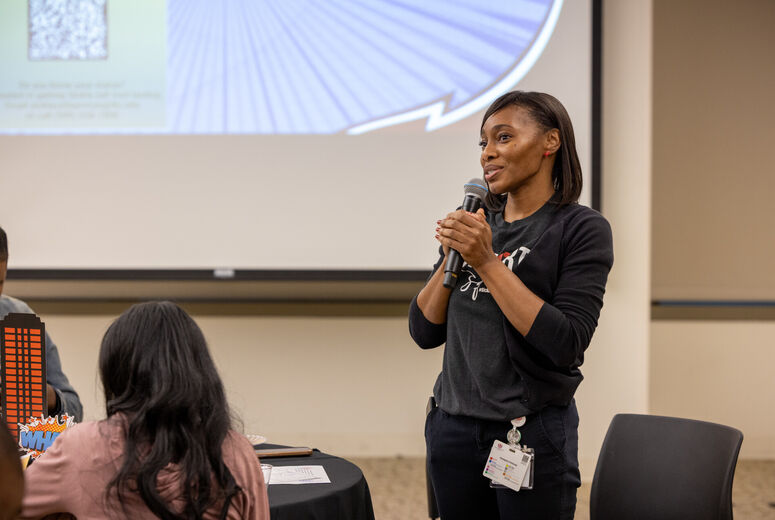
Researchers Carlene Fider, PhD, and Lisa Roberts, DrPH take this community-focused approach to building this future, blending education, creativity, and compassion.
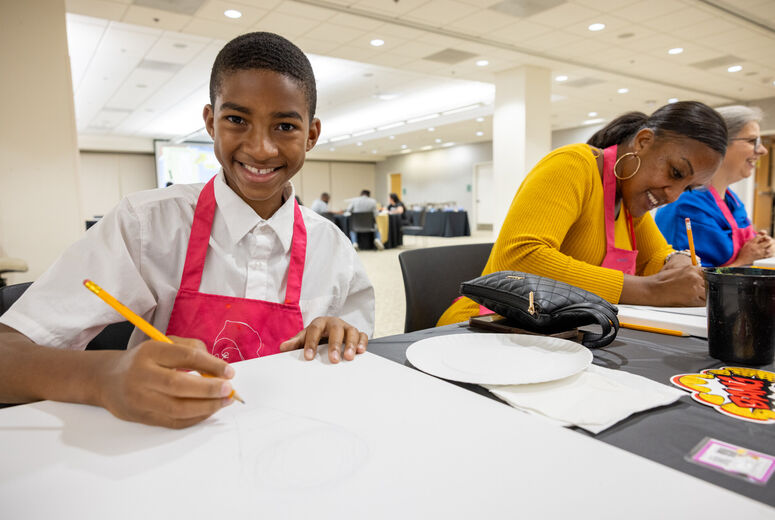
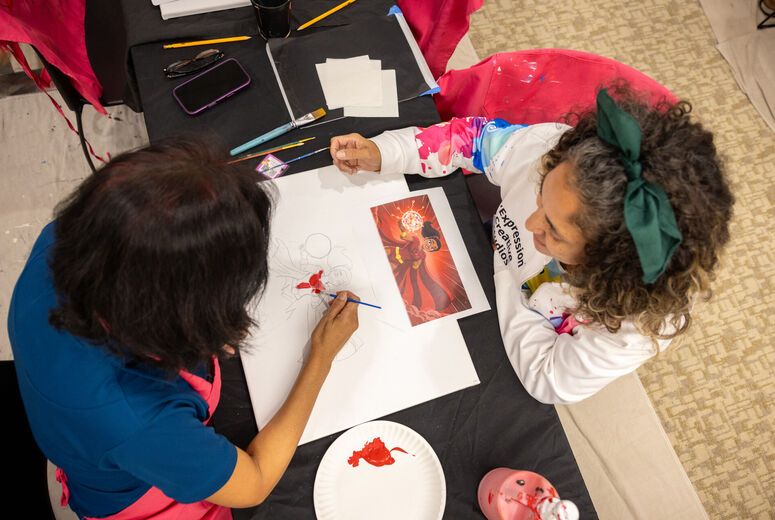
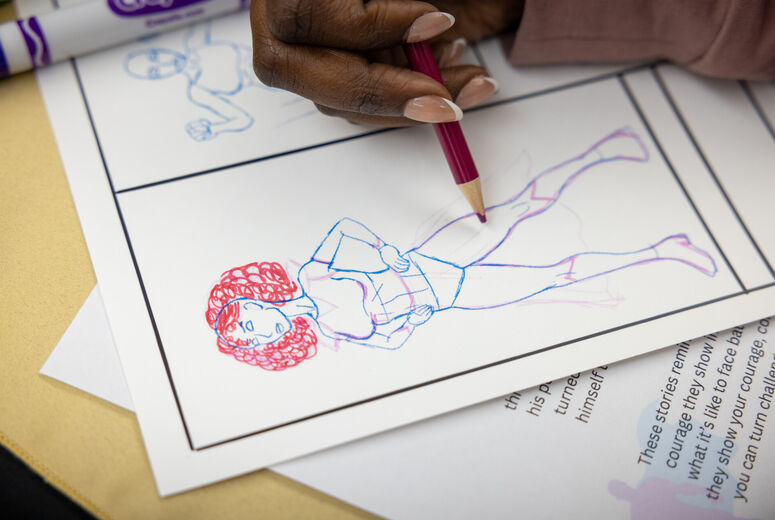
A prime example of their efforts includes the Sickle Cell Warrior Superhero Art Competition, a community-wide event inviting individuals with SCD or SCT to express their strength and identity through art. Participants can create their own superhero as a symbol of courage, resilience, and the challenges they overcome every day.
The event’s chosen superhero theme isn’t an accident — it acts as a deep and effective metaphor for expressing participants’ experiences. Like many comic-book heroes, sickle cell warriors often grow through adversity, drawing strength from experiences others may not see. Moreover, the artwork is intended to start conversations about SCD and SCD trait.
“The more we talk about [sickle cell], the less stigma we’ll have surrounding it.” Dr. Fider said. “When people are informed and surrounded by compassion, they can live their very best lives.”
The art competition is driven by a collaboration between our School of Nursing and School of Behavioral Health and funded by a Health Resources and Services Administration (HRSA) grant. This collaboration and effective use of resources demonstrate how Loma Linda University Health empowers innovative, community-centered change.
Read more about the collaboration between our School of Behavioral Health and School of Nursing.
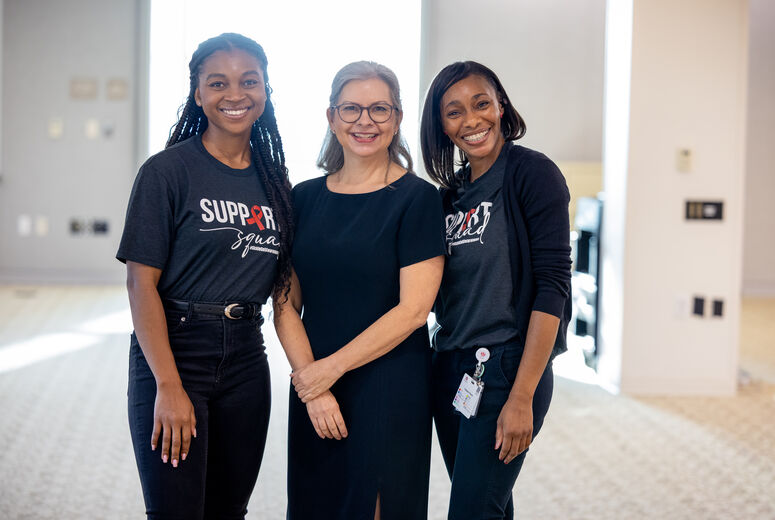
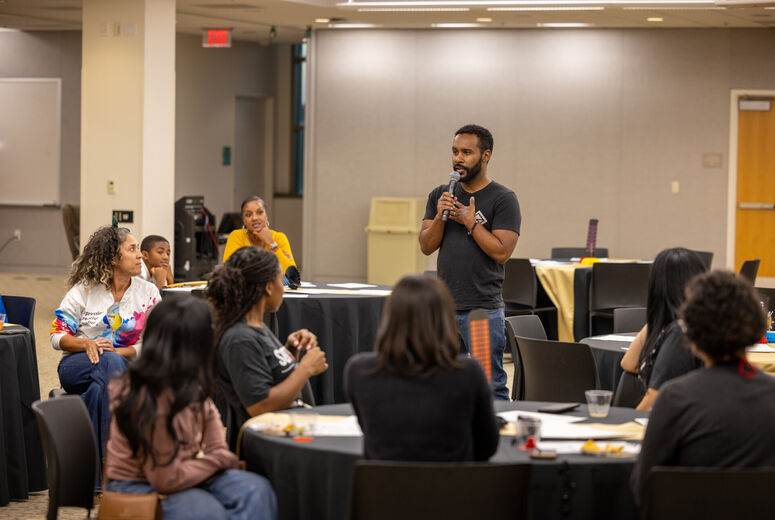
These outreach efforts — from art activities to in-person speakers — help reduce stigma, build stronger relationships, and inspire future healthcare leaders to approach sickle cell care with empathy and understanding. Supporting the sickle cell community means more than clinical treatment. It means listening, engaging, and standing alongside families every step of the way.
Is your child struggling with sickle cell disease? Call us at 909-558-7000 to make an appointment.
Our new Children's Health Specialty Clinics building will bring 30 pediatric specialties together under one roof, making it easier for families to get expert care.